
Prenatal Care: First Trimester Essentials

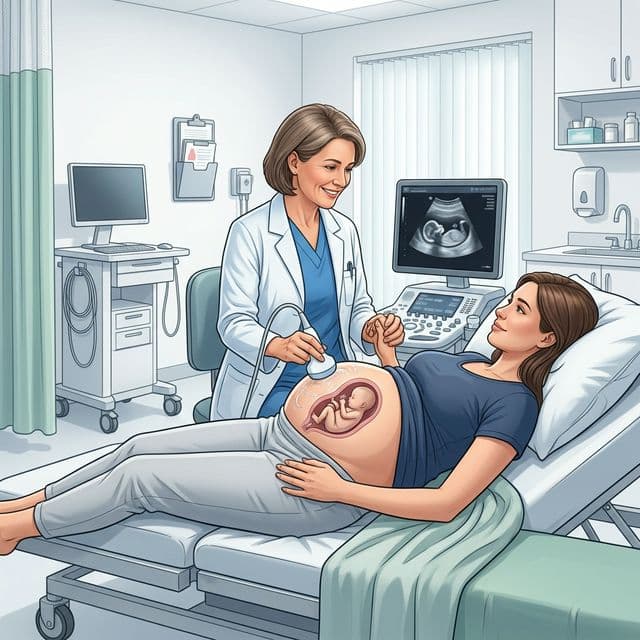
Congratulations on your pregnancy! The first trimester—the first 12 weeks of your journey—is a time of incredible change for both you and your developing baby. At Kantipur Polyclinic, our obstetrics team is here to support you through every milestone.
Your First Prenatal Visit
Your initial visit is typically the longest. We will conduct a thorough medical history, perform a physical exam, and order essential blood tests to check your blood type, iron levels, and screening for infections.
Nurturing Growth: Nutrition & Supplements
During these early weeks, proper nutrition is vital. Focus on a balanced diet rich in:
- Leafy greens and legumes (for natural folate).
- Lean proteins for tissue development.
- Calcium-rich foods for bone health.
It is also essential to take a daily folic acid supplement (400-800 mcg) to help prevent major birth defects of the baby's brain and spine.
Managing "Morning Sickness"
Despite its name, pregnancy-related nausea can happen at any time. To manage it, try eating small, frequent meals throughout the day and keeping dry crackers by your bedside to eat before getting up in the morning.
When to Call Your Doctor
While many symptoms are normal, contact Kantipur Polyclinic immediately if you experience severe abdominal pain, heavy vaginal bleeding, or persistent vomiting that prevents you from keeping fluids down.
Frequently Asked Questions (FAQs)
Q.When should I have my first prenatal appointment?
A.Ideally, you should schedule your first visit as soon as you confirm your pregnancy, usually around 8 weeks. However, if you have underlying health conditions, you may need to see a doctor sooner.
Q.Is it normal to feel extremely tired in the first trimester?
A.Yes, profound fatigue is very common during the first trimester due to massive hormonal changes and the energy required to grow the placenta and the baby.
Q.What vitamins should I take during early pregnancy?
A.Folic acid is the most critical supplement in the first trimester to prevent neural tube defects. Most doctors recommend a comprehensive prenatal multivitamin that includes iron and DHA.
Related Articles
Infertility Treatment in Nepal: Modern Options
Understanding infertility in men and women, and how laparoscopic surgery and IUI treatments are helping couples achieve pregnancy in Nepal.