
Managing Back Pain: Causes and Treatment Options
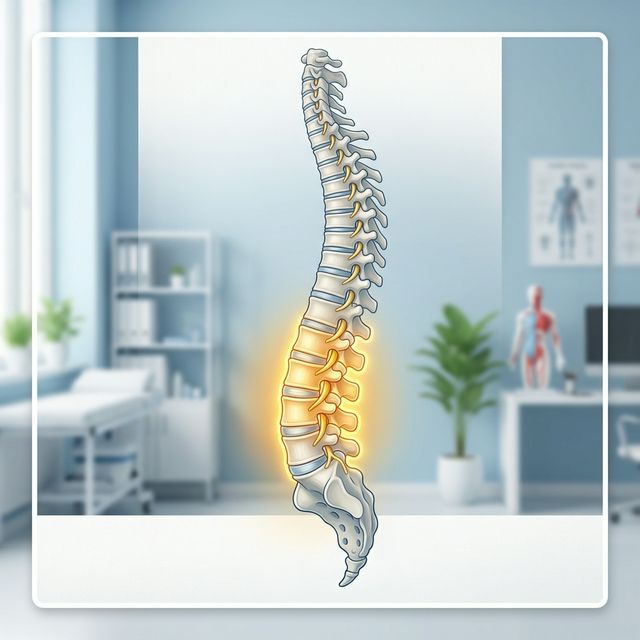
Back pain is one of the most common reasons people miss work and seek medical treatment. While it can be debilitating, most cases of back pain are not caused by serious underlying conditions and will improve with the right care and persistence.
Understanding Common Causes
Most back pain is mechanical in nature, meaning it is caused by the way the parts of the back (muscles, bones, and joints) fit together and move. Common causes include:
- Muscle or ligament strain from improper lifting or sudden movements.
- Bulging or ruptured disks.
- Arthritis, particularly in the lower back.
- Skeletal irregularities like scoliosis.
The Role of Ergonomics
Poor posture and sedentary lifestyles contribute significantly to chronic back pain. If you work at a desk, ensure your chair provides proper lumbar support, and keep your computer screen at eye level to avoid "tech neck" and slumped shoulders.
Effective Home Management
For acute back pain, try these strategies before seeking specialized care:
- Heat and Cold Therapy: Use ice packs for the first 48 hours, followed by a heating pad to relax muscles.
- Gentle Stretching: Light movements and walking can help maintain flexibility.
- OTC Pain Relief: Medications like ibuprofen can help reduce inflammation.
When to Visit an Orthopedic Specialist
If your back pain persists for more than two weeks, is severe, or radiates down into your legs, it is time to consult our orthopedic specialists at Kantipur Polyclinic for a thorough evaluation and personalized treatment plan.
Frequently Asked Questions (FAQs)
Q.Is bed rest good for back pain?
A.While a short period of rest may be helpful initially, prolonged bed rest can actually make back pain worse by causing muscles to stiffen. Gentle movement and walking are usually recommended.
Q.What is the best sleeping position for back pain?
A.Sleeping on your side with a pillow between your knees, or on your back with a pillow under your knees, can help maintain the natural curve of your spine and reduce pressure.
Q.When should I worry about my back pain?
A.You should seek immediate medical attention if back pain is accompanied by fever, sudden weight loss, bowel or bladder control issues, or severe weakness/numbness in your legs.
Related Articles
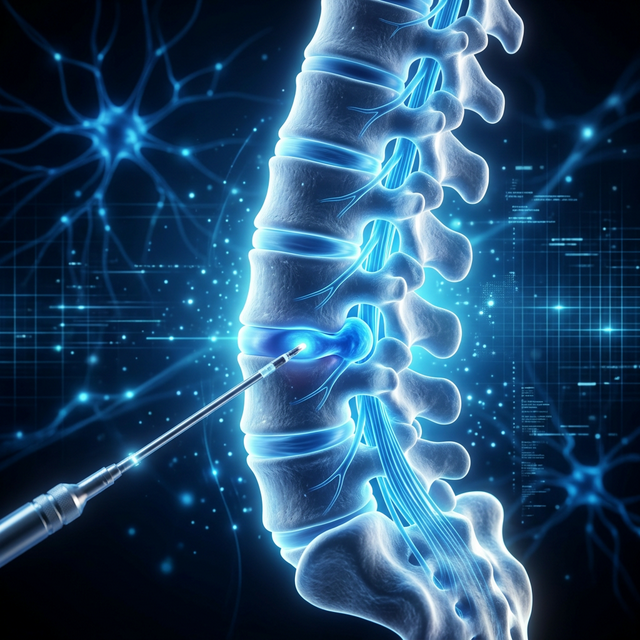
ढाड दुख्ने समस्या (Back Pain) र मेरुदण्डको आधुनिक शल्यक्रिया
दैनिक काममा बाधा पुर्याउने ढाड दुखाइको कारणहरू र डिस्क खिसकेको अवस्थामा गरिने न्यूनतम चिरफार (Minimally Invasive) शल्यक्रिया।