
Back Pain and Modern Spine Surgery Options in Nepal

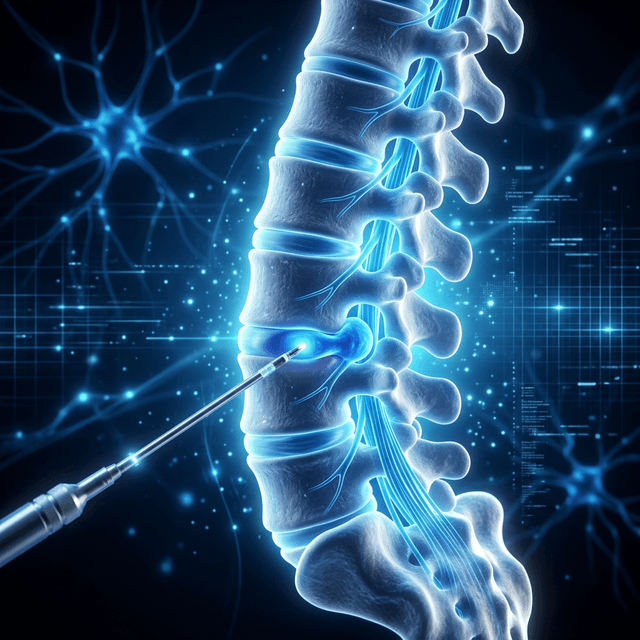
Back pain is one of the most common health problems worldwide, affecting people of all ages. Whether caused by prolonged sitting, poor posture, physically demanding work, or age-related changes in the spine, back pain can significantly impact daily life and productivity.
While most episodes of back pain improve with rest, exercise, and conservative treatment, some cases may indicate a more serious spinal condition that requires specialist evaluation. Knowing when to seek medical attention is essential for preventing long-term complications.
What Causes Back Pain?
Back pain can result from a variety of conditions, including:
- Muscle or ligament strain
- Poor posture, especially during prolonged sitting
- Heavy lifting or repetitive movements
- Herniated (slipped) disc
- Degenerative disc disease
- Spinal stenosis (narrowing of the spinal canal)
- Osteoporosis
- Spinal injuries or trauma
- Less commonly, infections or tumors affecting the spine
Identifying the underlying cause is the first step toward selecting the most appropriate treatment.
Common Symptoms of Back Pain
Symptoms can vary depending on the cause but may include:
- Persistent pain in the lower or upper back
- Muscle stiffness or spasms
- Pain that worsens with movement or prolonged sitting
- Difficulty standing, walking, or bending
- Pain that radiates into the buttocks or legs
When Should You See a Spine Specialist?
Although many cases improve within a few weeks, you should consult a spine specialist if you experience:
- Pain that lasts longer than several weeks
- Pain radiating down one or both legs (sciatica)
- Numbness or tingling in the legs or feet
- Weakness in the legs
- Difficulty walking due to pain or weakness
- Loss of bladder or bowel control (this requires immediate medical attention)
- Back pain following a significant injury
- Fever, unexplained weight loss, or severe nighttime pain accompanied by back pain
These symptoms may indicate nerve compression or another serious spinal condition that requires prompt evaluation.
How Is Back Pain Diagnosed?
Diagnosis begins with a detailed medical history and physical examination. Depending on your symptoms, your doctor may recommend imaging studies such as:
- X-rays
- MRI (Magnetic Resonance Imaging)
- CT scan
- Blood tests (when infection or inflammatory conditions are suspected)
Not every patient with back pain requires an MRI. Imaging is recommended only when clinically indicated.
Treatment Options for Back Pain
Treatment depends on the underlying cause and severity of symptoms.
1. Conservative (Non-Surgical) Treatment
Many patients improve with:
- Rest and activity modification
- Pain-relieving medications
- Physical therapy
- Core strengthening exercises
- Posture correction
- Weight management
2. Interventional Pain Management
Some patients may benefit from targeted injections to reduce inflammation and relieve pain when conservative treatment is insufficient.
3. Spine Surgery
Surgery is generally considered only when:
- Non-surgical treatment has failed after an appropriate period
- There is significant nerve compression
- Progressive muscle weakness develops
- There is loss of bladder or bowel function
- Certain spinal fractures, tumors, or instability are present
Most patients with back pain do not require surgery.
What Is Minimally Invasive Spine Surgery?
Modern spine surgery has advanced significantly over the past decade. Many spinal conditions can now be treated using Minimally Invasive Spine Surgery (MISS), which involves operating through small incisions using specialized instruments, an endoscope, or an operating microscope.
Unlike traditional open surgery, minimally invasive techniques aim to minimize damage to surrounding muscles and tissues while effectively treating the underlying spinal problem.
Common conditions treated using minimally invasive techniques include:
- Herniated discs
- Lumbar spinal stenosis
- Certain spinal fractures
- Selected cases of spinal instability
- Some degenerative spinal disorders
Benefits of Minimally Invasive Spine Surgery
Depending on the patient's condition, minimally invasive spine surgery may offer several advantages, including:
- Smaller incisions
- Less muscle and tissue damage
- Reduced blood loss
- Lower risk of infection
- Less postoperative pain
- Shorter hospital stay
- Faster recovery and return to normal activities
- Smaller surgical scars
However, not every patient is a candidate for minimally invasive surgery. The most appropriate treatment depends on the individual's diagnosis, anatomy, and overall health.
Can Back Pain Be Prevented?
While not all cases can be prevented, adopting healthy habits can significantly reduce the risk of developing chronic back pain.
Recommendations include:
- Maintain good posture while sitting and standing.
- Exercise regularly, focusing on core strength and flexibility.
- Avoid prolonged sitting by taking regular breaks.
- Lift heavy objects using proper technique.
- Maintain a healthy body weight.
- Avoid smoking, as it can accelerate spinal degeneration.
- Create an ergonomic workspace if you work at a desk.
Conclusion
Back pain is a common condition, but it should not be ignored when accompanied by symptoms such as leg weakness, numbness, or loss of bladder or bowel control. Early diagnosis and appropriate treatment can help prevent long-term complications and improve quality of life.
Advances in Minimally Invasive Spine Surgery have made it possible to treat many spinal conditions through smaller incisions, resulting in less pain, quicker recovery, and excellent clinical outcomes for appropriately selected patients. Consulting a qualified spine specialist ensures that you receive the most suitable treatment based on your individual condition.
Frequently Asked Questions
Is surgery necessary for all cases of back pain?
No. The vast majority of back pain can be managed successfully with non-surgical treatments such as medication, physical therapy, and lifestyle modifications.
How long does recovery take after minimally invasive spine surgery?
Recovery varies depending on the procedure and the individual patient. Many patients are able to walk within a day after surgery and return to normal activities sooner than with traditional open surgery.
Is minimally invasive spine surgery safer than traditional surgery?
When performed for appropriate conditions by an experienced spine surgeon, minimally invasive techniques can reduce tissue damage and shorten recovery. However, the best surgical approach depends on the patient's specific condition.
Frequently Asked Questions (FAQs)
Q.के मेरुदण्डको शल्यक्रियापछि बिरामी हिंड्न सक्छन्?
A.हो, आधुनिक सूक्ष्म प्रविधिबाट शल्यक्रिया गरिएका बिरामीहरू भोलिपल्टै हिंड्न र आफ्ना दैनिक कामहरू गर्न सक्छन्।
Q.के सबै ढाड दुखाइमा शल्यक्रिया आवश्यक छ?
A.छैन, ८०% भन्दा बढी बिरामी फिजियोथेरापी, औषधि र उचित व्यायामबाटै निको हुन्छन्।
Related Articles
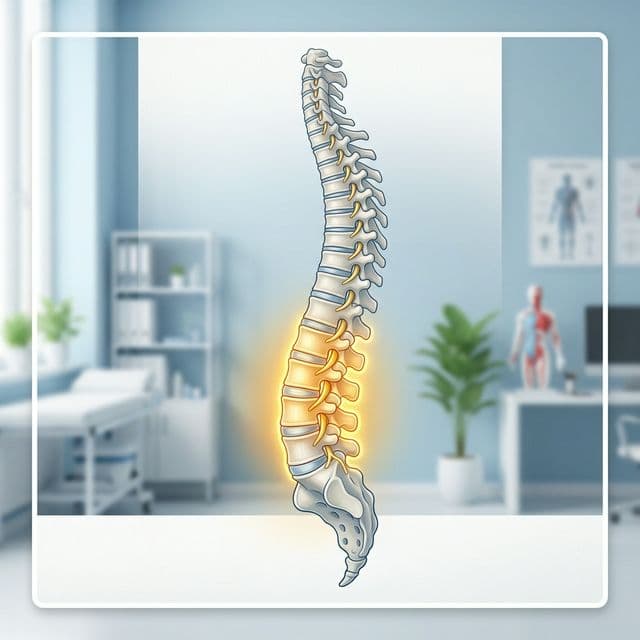
Managing Back Pain: Causes and Treatment Options
Back pain affects 80% of adults. Understand the common causes, learn effective home management strategies, and know when it is time to seek professional care.