
Understanding Fever: When to Seek Medical Help
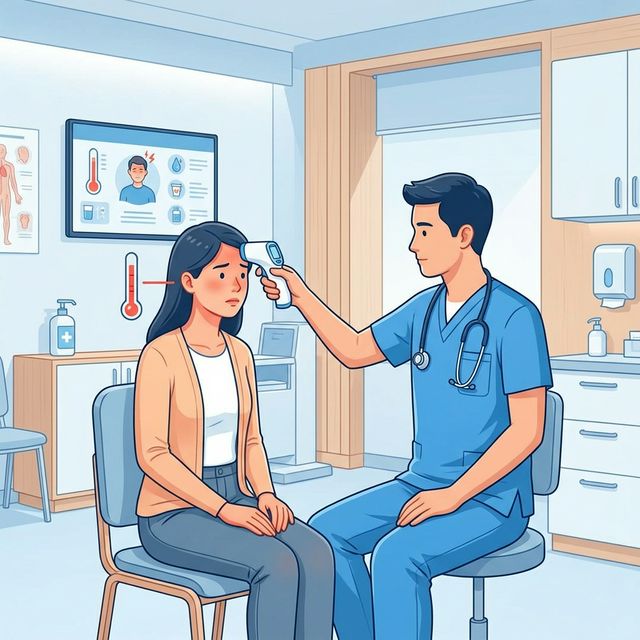
Fever, or pyrexia, is one of the most common reasons patients visit Kantipur Polyclinic. While seeing a high number on a thermometer can be alarming, it is important to remember that fever is typically a sign that your immune system is working correctly to fight off an infection.
What Defines a Fever?
A normal body temperature is generally around 98.6°F (37°C). However, "normal" can vary slightly throughout the day. A fever is usually defined as a temperature of 100.4°F (38°C) or higher. Different measurement methods (oral, axillary, or rectal) may yield slightly different results.
Common Causes of Fever
Most fevers are caused by infections, such as:
- Viral infections (like the common cold or flu)
- Bacterial infections (like pneumonia or UTIs)
- Heat exhaustion
- Certain inflammatory conditions
Home Care Strategies
If you or your child has a mild fever, focus on comfort:
- Stay Hydrated: Drink plenty of water, juice, or broth to prevent dehydration.
- Rest: Your body needs energy to fight the infection.
- Keep Cool: Wear lightweight clothing and keep the room temperature comfortable.
When to Seek Urgent Medical Attention
Seek immediate medical help at Kantipur Polyclinic if a fever is accompanied by any of these "red flag" symptoms:
- Severe headache or stiff neck
- Persistent vomiting
- Confusion or irritability
- Rash that doesn't fade when pressed
- Difficulty breathing or chest pain
- Seizures
धेरै सोधिने प्रश्नहरू (FAQs)
Q.When is a fever considered dangerous in adults?
A.In adults, a fever is generally concerning if it reaches 103°F (39.4°C) or higher, lasts more than three days, or is accompanied by severe symptoms like a stiff neck, confusion, or difficulty breathing.
Q.Can I break a fever at home?
A.Yes, mild fevers can often be managed with rest, plenty of fluids, and over-the-counter medications like paracetamol. Luke-warm water sponging can also help, but avoid ice-cold water as it can cause shivering.
Q.Is a fever a disease?
A.No, fever itself is not a disease. It is a symptom and a sign that your body is fighting off an underlying issue, most commonly a viral or bacterial infection.
सम्बन्धित लेखहरू
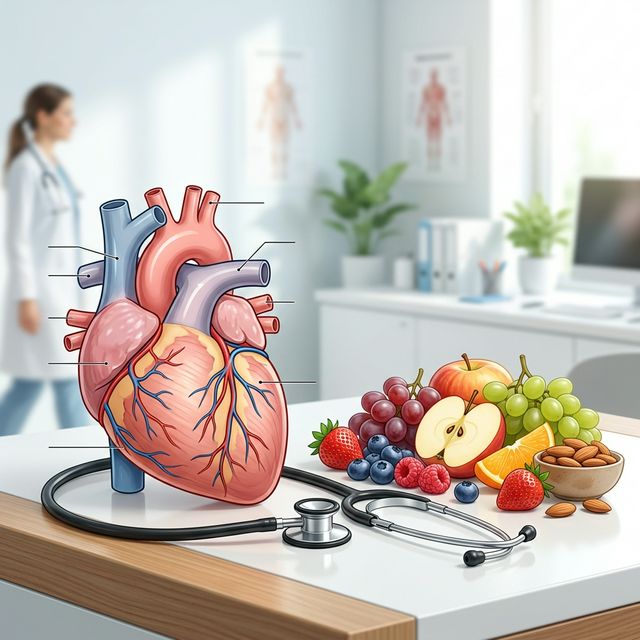
Heart Health: 5 Simple Steps to a Healthier Heart
Cardiovascular disease is largely preventable through lifestyle choices. Follow these five evidence-based steps to improve your heart health and longevity.